BBC Unveils Nigerian 'angel' Who Secretly Pays Hospital Bills For Patients
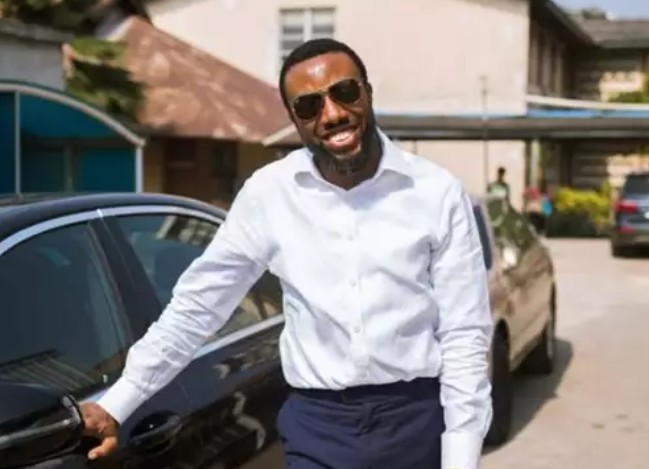
Zeal Akaraiwai does not have the wings of an angel - he has a sleek black Mercedes, all purring engine and deep leather seats. This 40-something financial consultant - trim and neat - steps out of his car in a potholed government hospital car park in Lagos. He is greeted warmly by a team of social workers, and gets straight to business. He asks them for "the list".
Neatly printed on A4 paper are the names of patients who are well enough to go home. But they are not going anywhere, because they cannot pay their medical bills.
Zeal has met people who have been forced to stay on the ward for six - or even eight - weeks after they have been discharged. Some Nigerian hospitals set up instalment plans, but even the first instalment might be too onerous for those earning a pittance, or nothing at all.
Heading along crumbling walkways to the wards, Zeal listens intently to the social workers' running commentary about those he is going to meet. In a male ward the tiles underfoot are scuffed, the paint peels, and 20 beds line the walls. Ancient fans whirr overhead, and the nurses wear epaulettes on the shoulders of starched white uniforms. An orderly is sweeping up with a dustpan and brush. Everybody is doing their best in challenging circumstances.
The social workers guide Zeal to the bedside of a patient with a heavily bandaged thigh. He bends down close, and speaks in a low voice: "What happened to you?" The young man, a barber, says he was shot by he-doesn't-know-who.
Zeal does not keep in touch with any of the people he helps. He does not even want to be thanked. But there is one thing he would like in return - that one day they might tell a story about him: the story of how when they were in hospital, an angel came, paid their bill and left.
"That's why I call this the Angel Project," he says. "Be the angel you hope to meet."
Paying the fees of hospital patients who are not able to settle their bills is one of the ways that Zeal realises his Christian faith. He says he wants to show people that everyone can do something to help someone else. Zeal's friends and family also give him money for the project, and he keeps receipts in a neat black book, together with details of the patients whose bills he's paid.
In the women's ward, Zeal is taken to see a patient in her 60s who is unconscious and on oxygen. She has had a serious stroke. The social workers want Zeal to pay the bill she has run up so far, so she can be moved to an intensive care unit for specialist treatment. He shakes his head, and moves away from her bedside.
Paying for this woman's treatment would mean breaking Zeal's own, self-imposed, rules - he does not generally help anyone with a serious, on-going condition. The Angel Project pays for those who are well enough to go home immediately.
"Of course, sometimes I digress," he says.
He remembers Montserrat - a woman who bled for 11 months because she needed a hysterectomy. Zeal paid $400 for her operation. And on today's visit to this public hospital, there is a good deal more digression.
The Angel Project picks up the tab for a patient who needs a leg ulcer operation, and Zeal wants to know about the progress of a 10-year-old who is awaiting further intestinal surgery. He has paid for her treatment so far, and will continue to do so until she returns home. The social worker says the child is doing very well.
Zeal has met this little girl, but he does not want to see her again. "She has my son's eyes," he remembers.
Today, Zeal visits everyone on the social workers' list. He heads out to the cashier to settle the bills of eight patients. His hospital philanthropy always makes him feel sad, and he is angered by the failure of government.
"The mere fact an individual, like me, has to go into a hospital to pay the bills of people who are stranded speaks volumes about the injustice in the system," he says. "There's no reason why we cannot have proper health insurance. We have clever people who can think of schemes that can work."
In Nigeria only 5% of the population is covered by health insurance. There is scepticism about how a universal scheme might operate, given the huge disparities of wealth, and the millions of poor people whose contributions would have to be covered by the state. But Zeal is impatient.
"Every week I see the impact of not having compulsory health insurance, and people die. So where do you want to put the price of a human life?


Comments
Post a Comment
Kindly tell us what is in your mind here